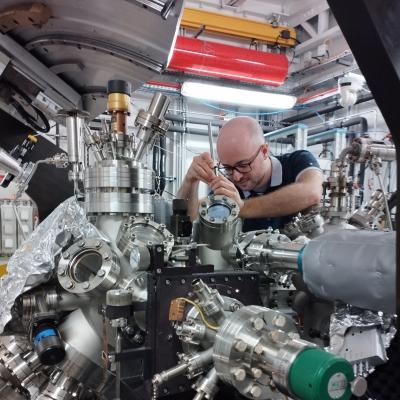
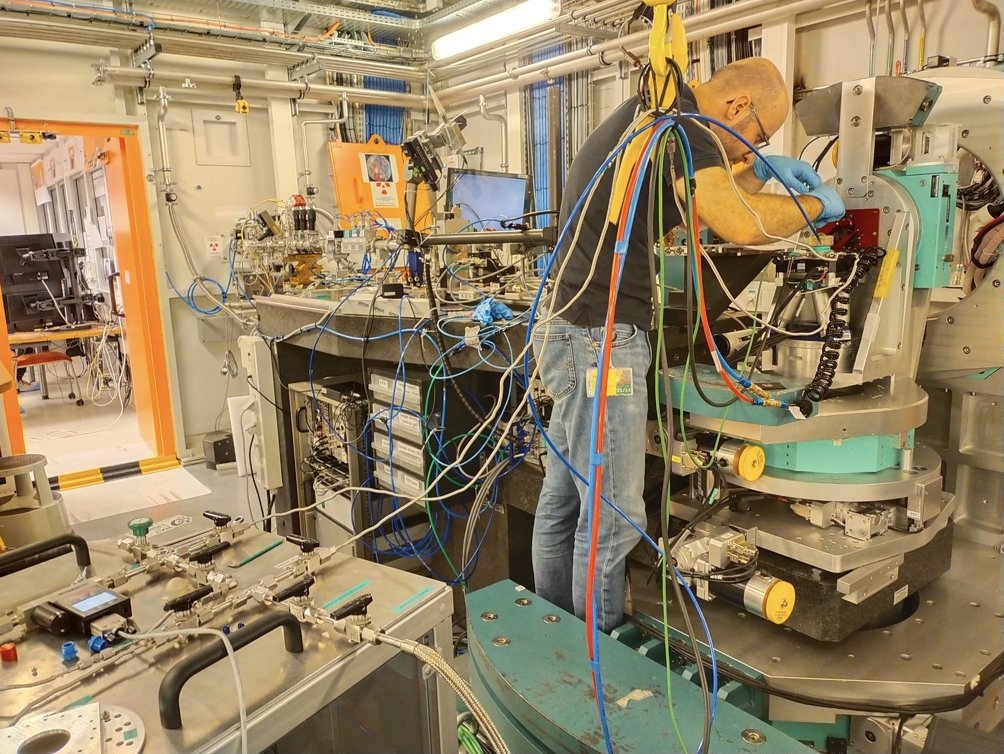
I study how the structure of materials shapes their catalytic properties.
I am a researcher at CEA-Liten in Grenoble, with a PhD in Materials Science, an MSc in Materials Engineering and an engineering degree from Mines Nancy.
My research focuses on the catalytic properties of oxides, carbides, metallic and intermetallic (nano)materials for reduction and oxidation reactions, using a combination of experimental and theoretical approaches, such as Surface X-ray Diffraction (SXRD), Bragg Coherent X-ray Diffraction Imaging (BCDI), Molecular Statics, Molecular Dynamics, and Density Functional Theory (DFT).
A.L.A. Marinho*, C. Panzone, A. Maarawi Chidraoui, A. Roussey*, A. Chappaz, C. Chatelier, J. Vachaud, V. Faucheux
J. CO2 Util. 2025, 101, 103189
Abstract, figure & full reference
Andre L.A. Marinho*, Carlotta Panzone, Antoinette Maarawi Chidraoui, Arthur Roussey*, Alban Chappaz, Corentin Chatelier, José Vachaud, Vincent Faucheux
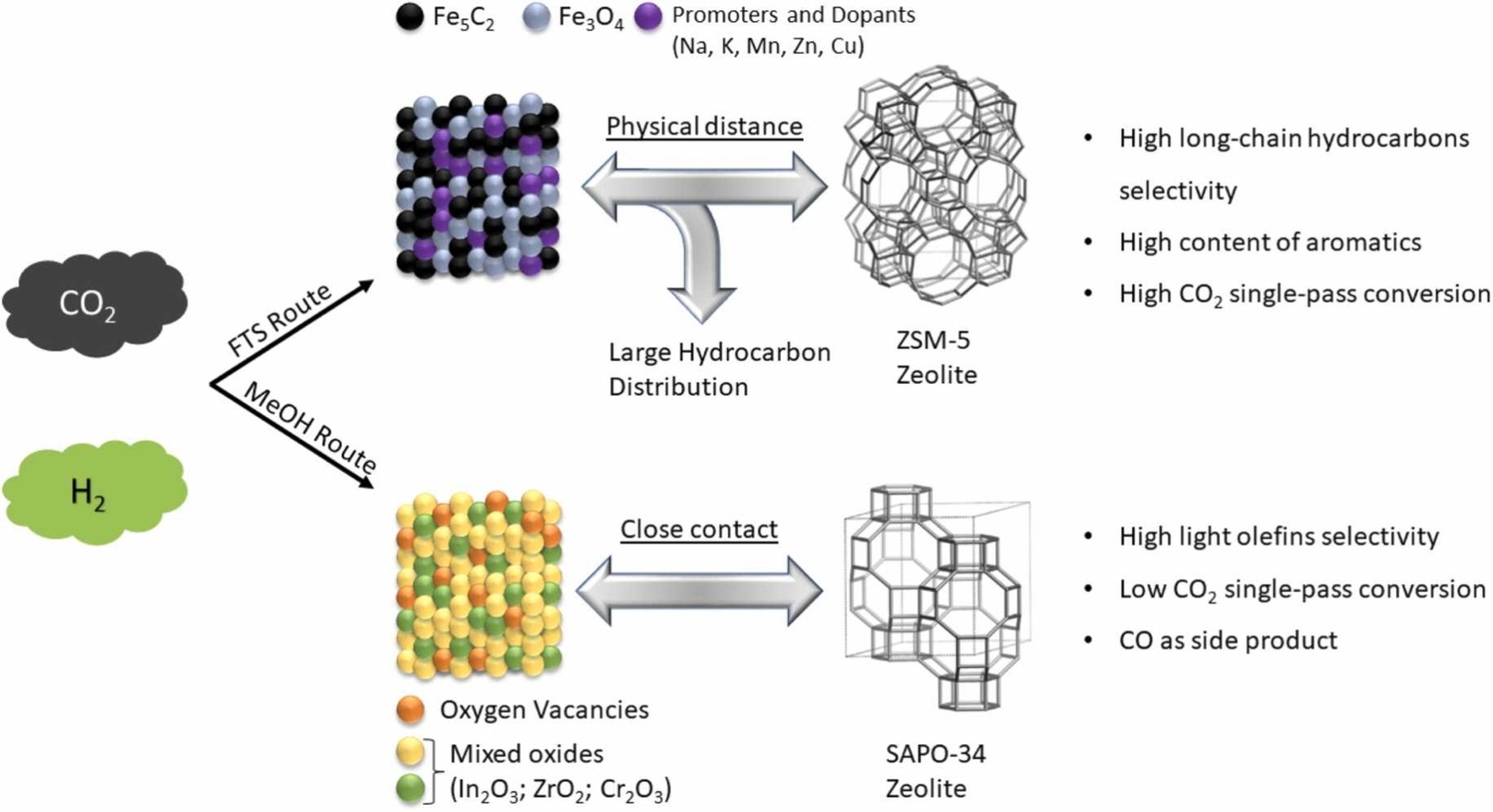
The CO2 hydrogenation process towards the production of liquid hydrocarbons appears to be a promising path to decarbonize the aviation sector. This process usually proceeds through tandem catalysis following two main pathways: Fischer-Tropsch (CO2-FTS) and Methanol (CO2-MeOH) routes, where the pathway is dependent on the catalytic material. In this review, we explore recent progress made in both routes for the production of liquid hydrocarbons, especially in light of growing knowledge about the optimization of catalyst composition. We systematically analyze the effect of different metal dopants and promoters in the catalytic performance and evolution of catalytic properties within the solid material. We also summarize key developments in kinetic and mechanism models, as well as highlight the reactor technologies and current applications in the world. Based on the analysis of more than 300 catalytic tests results available in the literature, our critical assessment reveals that the CO2-FTS route is more suitable to the production of long-chain hydrocarbons in actual stage, reaching higher selectivity towards liquid hydrocarbons at high CO2 single-pass conversion. This review presents a pioneer study of data analysis comparing both routes, meanwhile helping academics and industry in their decision-making process for developing an economically viable industrial process.
D. Simonne*, M.I. Richard, M. Dupraz, A. Vlad, Y. Garreau, C. Chatelier, B. Voisin, C. Atlan, S. Yehya, M. Levi, E. Rabkin, A. Coati, A. Resta
App. Cat. B 2025, 383, 126055
Abstract, figure & full reference
David Simonne*, Marie-Ingrid Richard, Maxime Dupraz, Alina Vlad, Yves Garreau, Corentin Chatelier, Benjamin Voisin, Clément Atlan, Sarah Yehya, Mor Levi, Eugen Rabkin, Alessandro Coati, Andrea Resta
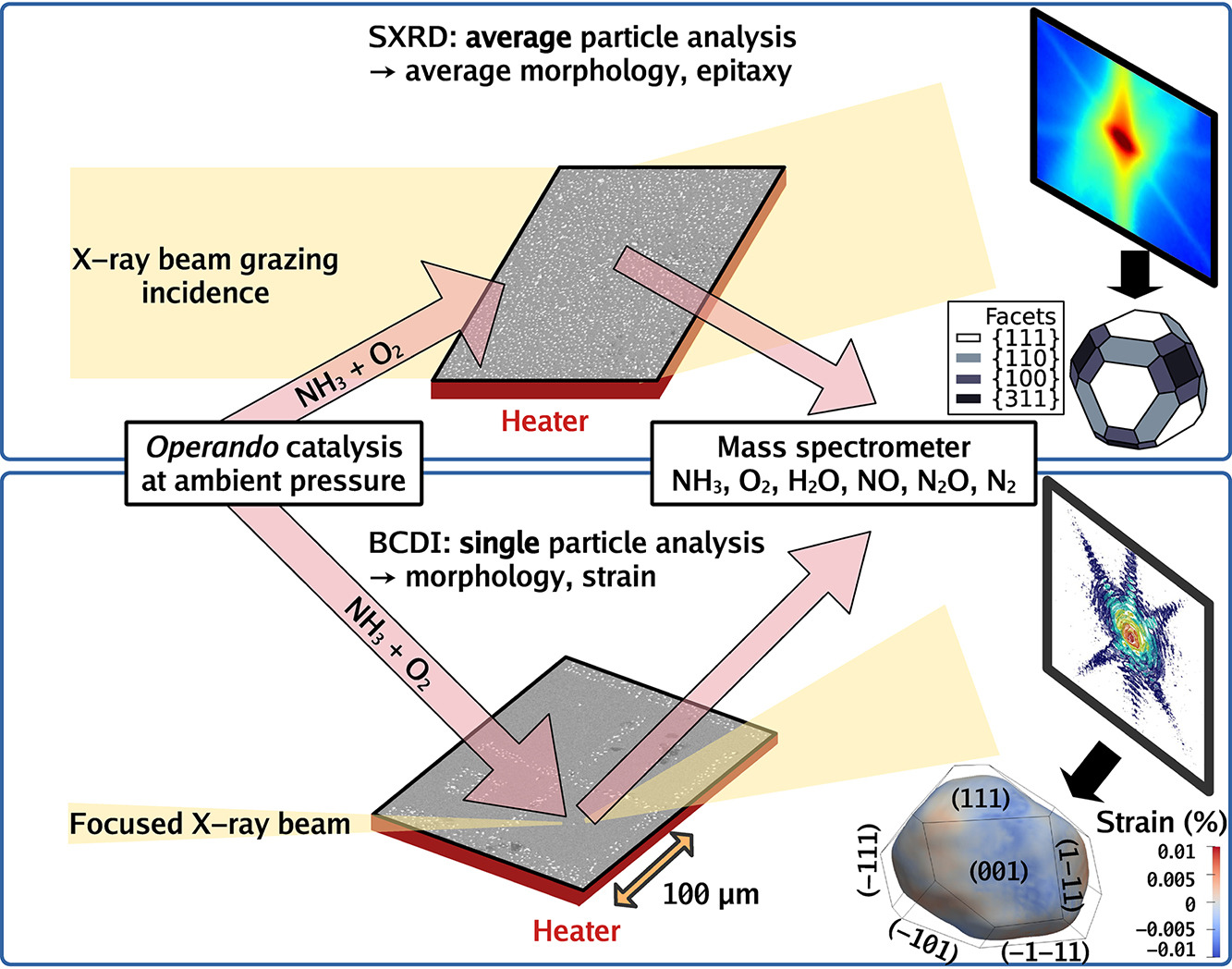
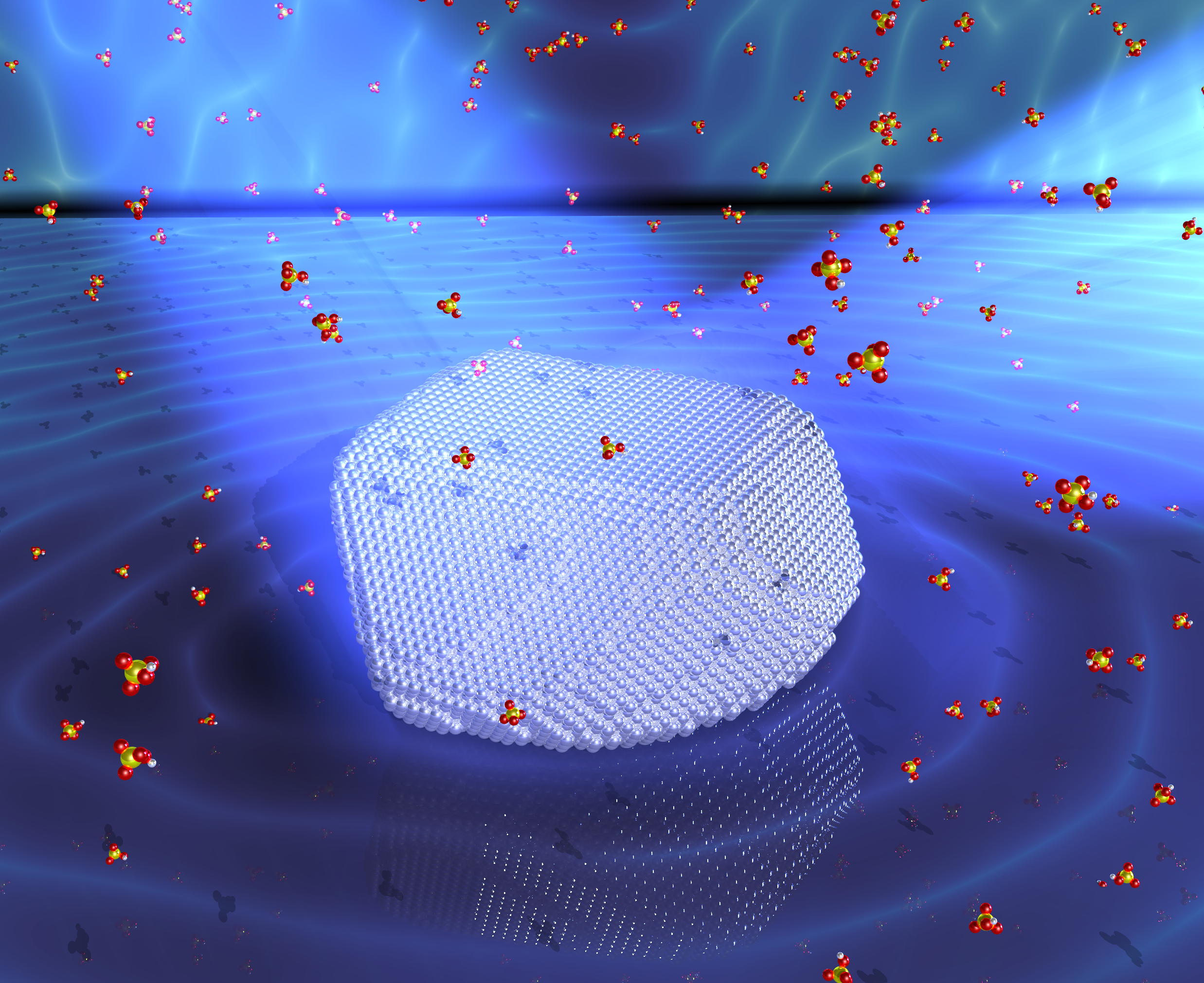
Platinum and its alloys remain the state-of-the-art catalysts for selective nitric oxide production via ammonia oxidation. Yet improving efficiency, selectivity, and stability is a century-old challenge. Operando diffraction techniques are combined with mass spectrometry to investigate structural dynamics of ensemble and single alpha-Al2O3-supported Pt crystalline particles under realistic reaction conditions. Only by switching from ensemble averaging methods such as surface X-ray diffraction to single-particle sensitive Bragg coherent diffraction imaging can we identify distinct strain and morphology responses between particle types. Large and elongated particles exhibit annealing-induced misfit strain and a stable morphology during the reaction, while smaller, round, and low-strain particles display surface roughening and defect evolution at 400 °C, coinciding with enhanced NO selectivity. Notably, NH3 exposure at 600 °C reverses facet strain. These findings highlight the critical role of nanoscale strain and morphology in catalyst performance and demonstrate the power of multi-techniques operando approaches to guide the design of next-generation catalytic materials.
K. Olson*, A. Viola, E. Bellec, C. Atlan, C. Chatelier, M. Grimes, B. Gilles, T. Schülli, S. Leake, M. Vandichel, F. Maillard and M.-I. Richard*
ACS Appl. Energy Mater. 2025, 8, 14, 10256-10264
Abstract, figure & full reference
Kyle J. Olson*, Arnaud Viola, Ewen Bellec, Clément Atlan, Corentin Chatelier, Michael Grimes, Bruno Gilles, Tobias U. Schülli, Steven J. Leake, Matthias Vandichel, Frédéric Maillard and Marie-Ingrid Richard*
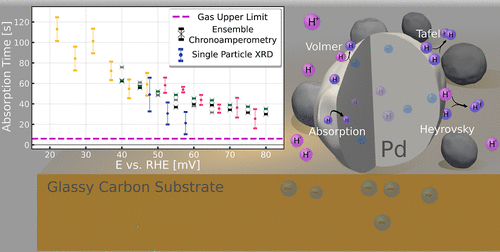
Palladium hydrogen is a useful model in the study of both hydrogen absorption for energy storage, and lattice gas systems for fundamental thermodynamic models. Using in situ time-resolved X-ray nanodiffraction at the fourth generation Extremely Brilliant Source of the European Synchrotron (ESRF-EBS), the kinetics of hydrogen absorption in individual α phase Pd nanoparticles is examined. Hydrogen absorption kinetics in a gas reactor and an electrochemical cell are compared. Combining the individual nanoparticle X-ray measurements with chronoamperometry measurements, the kinetics of the ensemble of Pd nanoparticles on the glassy carbon substrate is compared with kinetics at the single nanoparticle level. Hydrogen absorption in α phase Pd in the electrochemical system is found to be slower than that of the gas system. Furthermore, the absorption in the electrochemical system slows down as the electrochemical potential is lowered. This slow down is found to be directly related to the increasing hydrogen absorption per step in electrode potential. Furthermore, differences between absorbed-quantity normalized absorption times is seen between the hydrogen and deuterium absorbates. Sievert's law of absorption is also shown to hold for individual Pd nanoparticles in the α phase.
C. Atlan*, C. Chatelier, A. Ngoipala, K. Olson, A. Viola, E. Bellec, M. Grimes, B. Gilles, M. Qamar, M. Mrovec, S. Leake, J. Eymery, T. Schülli, M. Vandichel, M.-I. Richard* and F. Maillard*
J. Am. Chem. Soc. 2025, 147, 29, 25417-25428
Abstract, figure & full reference
Clément Atlan*, Corentin Chatelier, Apinya Ngoipala, Kyle Olson, Arnaud Viola, Ewen Bellec, Michael Grimes, Bruno Gilles, Minaam Qamar, Matous Mrovec, Steven J. Leake, Joël Eymery, Tobias U. Schülli, Matthias Vandichel, Marie-Ingrid Richard* and Frédéric Maillard*
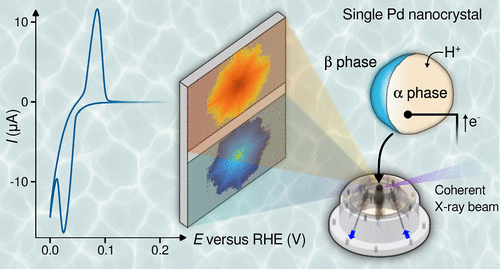
The palladium-hydrogen system plays a crucial role in catalysis, hydrogen production and storage, hydrogen embrittlement, and sensing technologies. Understanding the transition of palladium nanocrystals (NCs) from the hydrogen-poor (α) phase to the hydrogen-rich (β) phase is crucial for elucidating hydrogen absorption/desorption mechanisms as well as related phenomena such as hydrogen trapping. In this study, we carefully minimized undesired X-ray beam effects and used in situ Bragg coherent diffraction imaging under electrochemical control to map the strain and lattice parameter distribution within individual palladium NCs across electrochemical potentials relevant to hydrogen absorption and desorption. Lattice parameter changes in both α and β phases are tracked, and reversible strain inversion during the α-to-β phase transition is observed. Through strain and reciprocal space analysis and molecular simulations, a model for the α-to-β phase transition is proposed, which includes a hydrogen-saturated subsurface shell, hydrogen depletion from the α phase during β phase nucleation, and propagation of the β phase in a spherical-cap fashion.
M. Levi, A. Bisht, C. Chatelier, C. Atlan, J. Eymery, S. Leake, P. Boesecke, M.-I. Richard and E. Rabkin*
Acta Mat. 2025, 294, 121129
Abstract, figure & full reference
Mor Levi, Anuj Bisht, Corentin Chatelier, Clément Atlan, Joël Eymery, Steven J. Leake, Peter Boesecke, Marie-Ingrid Richard and Eugen Rabkin*
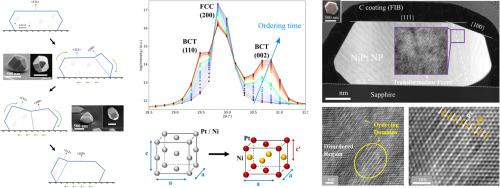
We fabricated single crystalline faceted nanoparticles of near-stoichiometric NiPt alloy employing the solid state dewetting of Ni-Pt bilayers deposited on a sapphire substrate. The particles were annealed within the stability range of the ordered L10 phase. We uncovered recurrent changes of the fraction of disordered (100)-oriented particles, characterized by intermittent disorder-order transformations coupled with particle reorientation. The nucleation and expansion of ordered domains within the disordered (111)-oriented particles resulted in an increase of internal stresses and concomitant nucleation of twinning dislocations. Subsequent out-of-plane rotation via twinning has resulted in intermittent nanoparticles disordering due to the slip geometry in the ordered L10 phase. Notably, the re-orienting particles exhibited a macroscopic linear transformation strain reaching a value of 23 %. The discovery of ordering-induced particle rotation and reorientation in our study introduces a novel approach for engineering the functional properties of supported metal nanoparticles.
M. Grimes*, C. Atlan, C. Chatelier, E. Bellec, K. Olson, D. Simonne, M. Levi, T. U. Schülli, S. Leake, E. Rabkin, J. Eymery, and M.-I. Richard*
ACS Nano, 2024, 18(30), 19608-19617
Abstract, figure & full reference
Michael Grimes*, Clément Atlan, Corentin Chatelier, Ewen Bellec, Kyle Olson, David Simonne, Mor Levi, Tobias U. Schülli, Seven Leake, Eugen Rabkin, Joël Eymery, and Marie-Ingrid Richard*
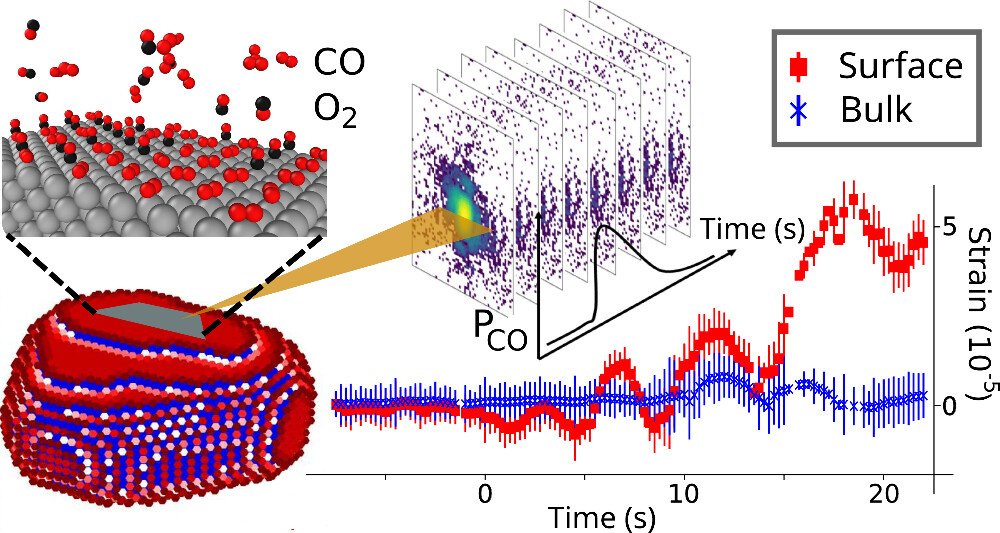
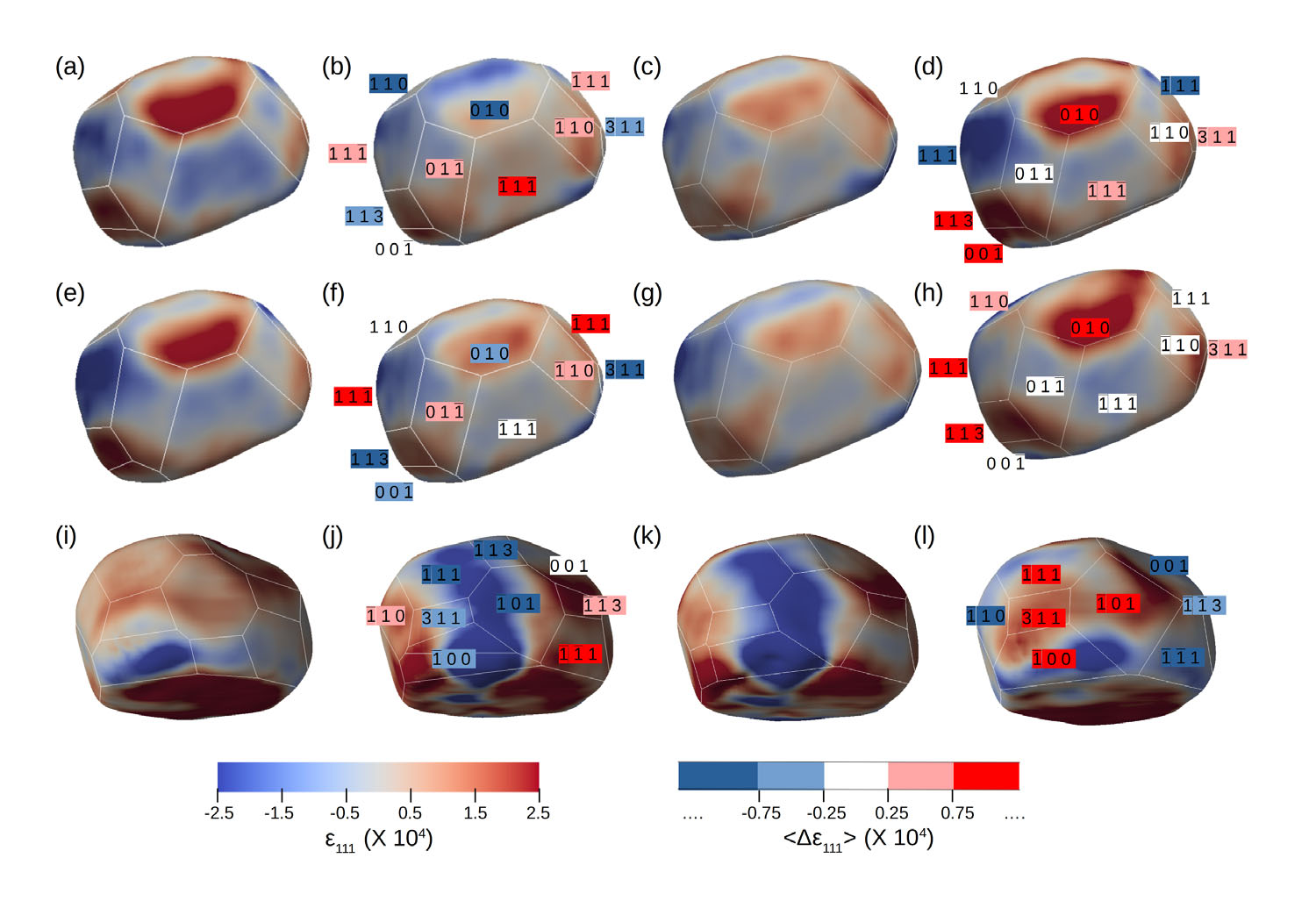
Understanding the strain dynamic behavior of catalysts is crucial for the development of cost-effective, efficient, stable, and long-lasting catalysts. Using time-resolved Bragg coherent diffraction imaging at the fourth generation Extremely Brilliant Source of the European Synchrotron (ESRF-EBS), we achieved subsecond time resolution during operando chemical reactions. Upon investigation of Pt nanoparticles during CO oxidation, the three-dimensional strain profile highlights significant changes in the surface and subsurface regions, where localized strain is probed along the [111] direction. Notably, a rapid increase in tensile strain was observed at the top and bottom Pt {111} facets during CO adsorption. Moreover, we detected oscillatory strain changes (6.4 s period) linked to CO adsorption during oxidation, where a time resolution of 0.25 s was achieved. This approach allows for the study of adsorption dynamics of catalytic nanomaterials at the single-particle level under operando conditions, which provides insight into nanoscale catalytic mechanisms.
C. Chatelier*, C. Atlan, M. Dupraz, S. Leake, N. Li, T. U. Schülli, M. Levi, E. Rabkin, L. Favre, S. Labat, J. Eymery, and M.-I. Richard*
ACS Nano, 2024, 18(21), 13517-13527
Abstract, figure & full reference
Corentin Chatelier*, Clément Atlan, Maxime Dupraz, Steven Leake, Ni Li, Tobias U. Schülli, Mor Levi, Eugen Rabkin, Luc Favre, Stéphane Labat, Joël Eymery, and Marie-Ingrid Richard*
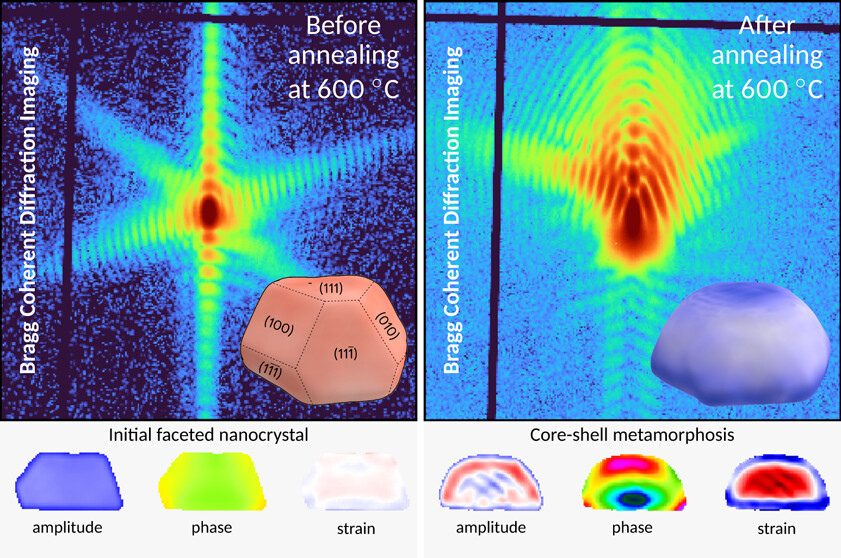
Solid-state reactions play a key role in materials science. The evolution of the structure of a single 350 nm Ni3Fe nanoparticle, i.e., its morphology (facets) as well as its deformation field, has been followed by applying multireflection Bragg coherent diffraction imaging. Through this approach, we unveiled a demixing process that occurs at high temperatures (600 °C) under an Ar atmosphere. This process leads to the gradual emergence of a highly strained core-shell structure, distinguished by two distinct lattice parameters with a difference of 0.4%. Concurrently, this transformation causes the facets to vanish, ultimately yielding a rounded core-shell nanoparticle. This final structure comprises a Ni3Fe core surrounded by a 40 nm Ni-rich outer shell due to preferential iron oxidation. Providing in situ 3D imaging of the lattice parameters at the nanometer scale while varying the temperature, this study─with the support of atomistic simulations─not only showcases the power of in situ multireflection BCDI but also provides valuable insights into the mechanisms at work during a solid-state reaction characterized by a core-shell transition.
M.-I. Richard*, I. Martens, M. Dupraz, J. Drnec, V. Honkimäki, C. Chatelier, C. Atlan, M. Mirolo, M. Levi, E. Rabkin, J. Eymery, A. Naidu, T. U. Schülli, and S. J. Leake
Marie-Ingrid Richard*, Isaac Martens, Maxime Dupraz, Jakub Drnec, Veijo Honkimäki, Corentin Chatelier, Clément Atlan, Marta Mirolo, Mor Levi, Eugen Rabkin, Joël Eymery, Akshata Naidu, Tobias U. Schülli, and Steven J. Leake
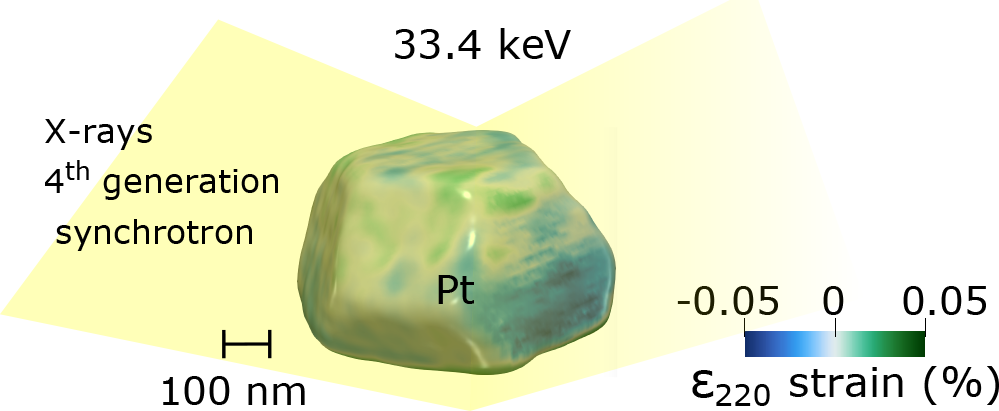
High-energy Bragg coherent diffraction imaging (BCDI) can enable three-dimensional imaging of atomic structure within individual crystallites in complex environments. Here, we show that sufficient coherent photon flux is available to extend the BCDI technique to higher energies to (1) obtain improved strain information and sensitivity at the nanoscale with higher order Bragg reflections, (2) exploit BCDI in embedded materials or complex operando environments, (3) reduce X-ray induced sample modification, and (4) minimize dynamical scattering effects. We demonstrate the nanoscale imaging technique on the same sub-micrometer sized crystal at 8.5, 19.9, and 33.4 keV by taking advantage of the brilliance and coherence of the fourth generation EBS of the ID01 beamline at ESRF.
C. Atlan*, C. Chatelier*, I. Martens, M. Dupraz, A. Viola, N. Li, L. Gao, S. Leake, T. Schulli, J. Eymery, F. Maillard*, M.-I. Richard*
Nature Materials, 2023, 22(6), 754-761
Abstract, figure & full reference
Clément Atlan*, Corentin Chatelier*, Isaac Martens, Maxime Dupraz, Arnaud Viola, Ni Li, Lu Gao, Steven Leake, Tobias Schulli, Joël Eymery, Frédéric Maillard*, Marie-Ingrid Richard*
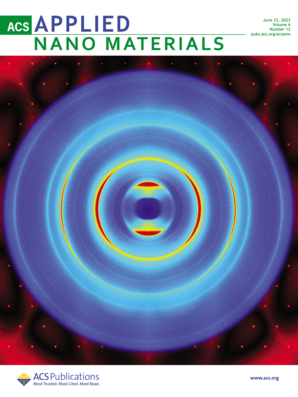
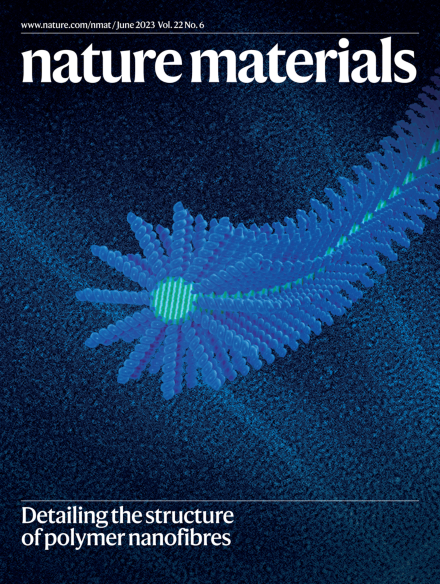
Surface strain is widely employed in gas phase catalysis and electrocatalysis to control the binding energies of adsorbates on active sites. However, in situ or operando strain measurements are experimentally challenging, especially on nanomaterials. Here we exploit coherent diffraction at the new fourth-generation Extremely Brilliant Source of the European Synchrotron Radiation Facility to map and quantify strain within individual Pt catalyst nanoparticles under electrochemical control. Three-dimensional nanoresolution strain microscopy, together with density functional theory and atomistic simulations, show evidence of heterogeneous and potential-dependent strain distribution between highly coordinated ({100} and {111} facets) and undercoordinated atoms (edges and corners), as well as evidence of strain propagation from the surface to the bulk of the nanoparticle. These dynamic structural relationships directly inform the design of strain-engineered nanocatalysts for energy storage and conversion applications.
C. Chatelier, K. Anand, P. Gille, M.-C. de Weerd, J. Ledieu, V. Fournée, A. Resta, A. Vlad, Y. Garreau, A. Coati, É. Gaudry*
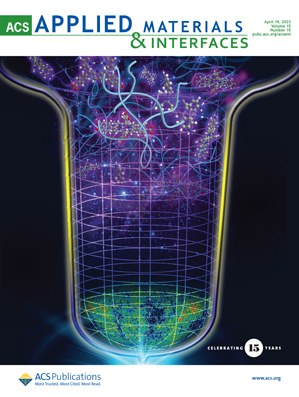
ACS Applied Materials and Interfaces, 2023, 15(15), 19593-19603
Abstract, figure & full reference
Corentin Chatelier, Kanika Anand, Peter Gille, Marie-Cécile de Weerd, Julian Ledieu, Vincent Fournée, Andrea Resta, Alina Vlad, Yves Garreau, Alessandro Coati, Émilie Gaudry*
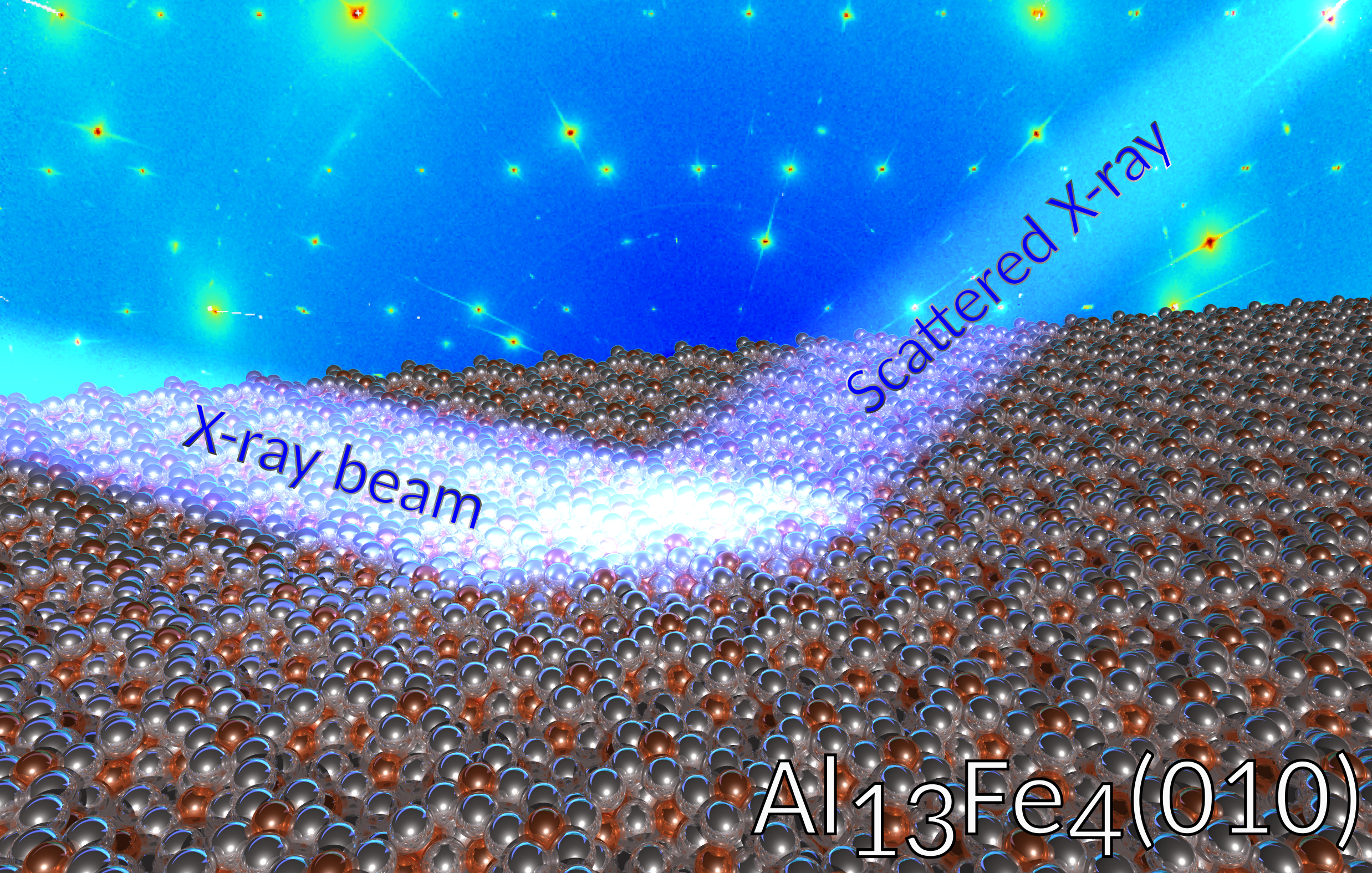
Steel is the most commonly manufactured material in the world. Its performances can be improved by hot-dip coating with the low weight aluminum metal. The structure of the Al∥Fe interface, which is known to contain a buffer layer made of complex intermetallic compounds such as Al5Fe2 and Al13Fe4, is crucial for the properties. On the basis of surface X-ray diffraction, combined with theoretical calculations, we derive in this work a consistent model at the atomic scale for the complex Al13Fe4(010)∥Al5Fe2(001) interface. The epitaxial relationships are found to be [130]Al5Fe2∥[010]Al13Fe4 and [110]Al5Fe2∥[100]Al13Fe4. Molecular dynamics simulations suggest a mechanism of Al diffusion to explain the formation of the complex Al13Fe4 and Al5Fe2 phases at the Al∥Fe interface.
D. Simonne*, J. Carnis, C. Atlan, C. Chatelier, V. Favre-Nicolin, M. Dupraz, S. J. Leake, A. Resta, A. Coati, M.-I. Richard
Journal of Applied Crystallography, 2022, 55(4), 1045-1054
Abstract, figure & full reference
David Simonne*, Jérôme Carnis, Clément Atlan, Corentin Chatelier, Vincent Favre-Nicolin, Maxime Dupraz, Steven J. Leake, Andrea Resta, Alessandro Coati, Marie-Ingrid Richard
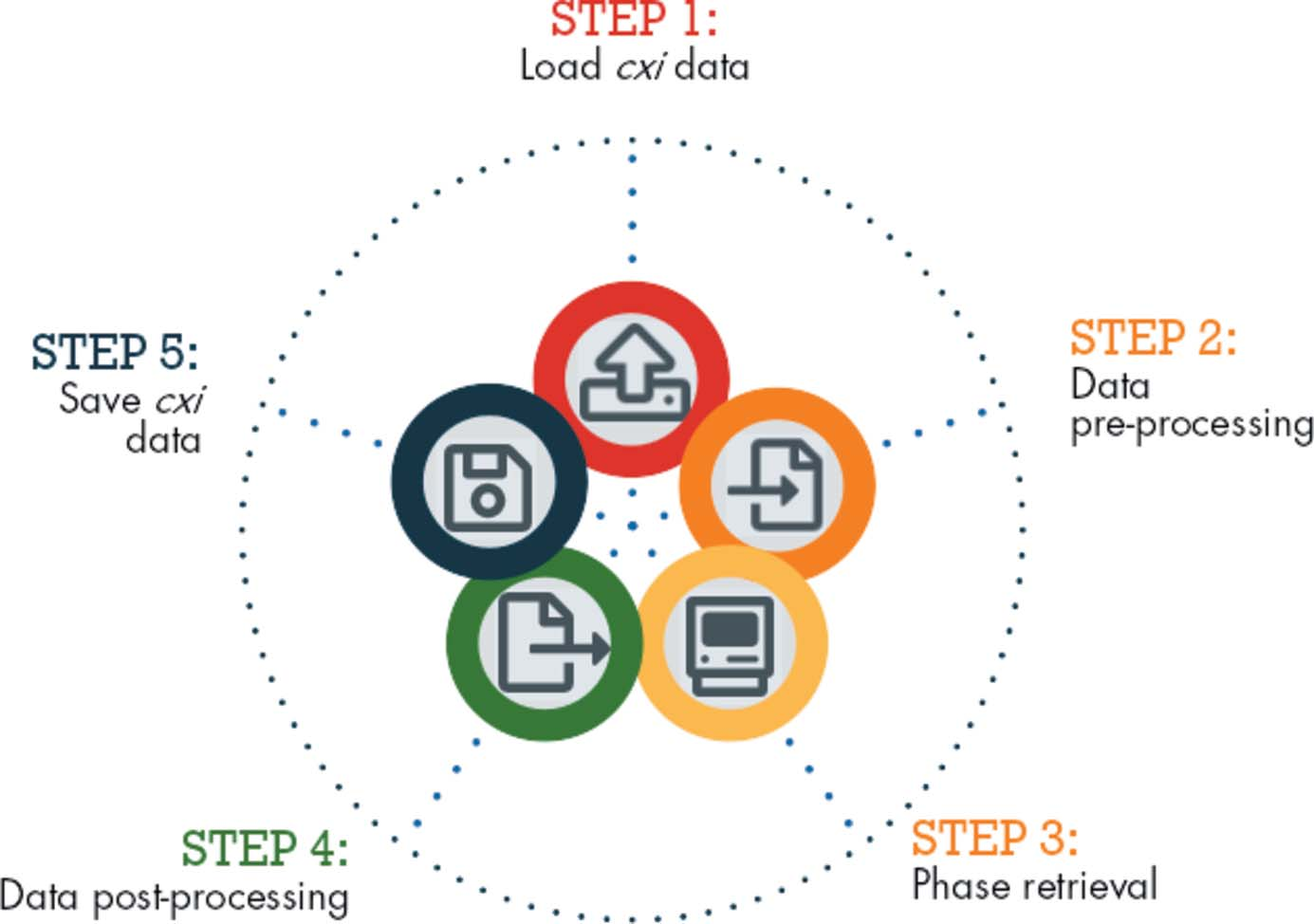
Bragg coherent X-ray diffraction is a nondestructive method for probing material structure in three dimensions at the nanoscale, with unprecedented resolution in displacement and strain fields. This work presents Gwaihir, a user-friendly and open-source tool to process and analyze Bragg coherent X-ray diffraction data. It integrates the functionalities of the existing packages bcdi and PyNX in the same toolbox, creating a natural workflow and promoting data reproducibility. Its graphical interface, based on Jupyter Notebook widgets, combines an interactive approach for data analysis with a powerful environment designed to link large-scale facilities and scientists.
M. Dupraz*, N. Li, J. Carnis, L. Wu, S. Labat, C. Chatelier, R. van de Poll, J. P. Hofmann, E. Almog, S. J. Leake, Y. Watier, S. Lazarev, F. Westermeier, M. Sprung, E. J. M. Hensen, O. Thomas, E. Rabkin, Marie-Ingrid Richard*
Nature Communications, 2022, 13(1), 3529
Abstract, figure & full reference
Maxime Dupraz*, Ni Li, Jérôme Carnis, Longfei Wu, Stéphane Labat, Corentin Chatelier, Rim van de Poll, Jan P. Hofmann, Ehud Almog, Steven J. Leake, Yves Watier, Sergey Lazarev, Fabian Westermeier, Michael Sprung, Emiel J. M. Hensen, Olivier Thomas, Eugen Rabkin, Marie-Ingrid Richard*
Nanostructures with specific crystallographic planes display distinctive physico-chemical properties because of their unique atomic arrangements, resulting in widespread applications in catalysis, energy conversion or sensing. Understanding strain dynamics and their relationship with crystallographic facets have been largely unexplored. Here, we reveal in situ, in three-dimensions and at the nanoscale, the volume, surface and interface strain evolution of single supported platinum nanocrystals during reaction using coherent x-ray diffractive imaging. Interestingly, identical {hkl} facets show equivalent catalytic response during non-stoichiometric cycles. Large strain variations are observed in localised areas, in particular in the vicinity of the substrate/particle interface, suggesting a significant influence of the substrate on the reactivity. These findings will improve the understanding of dynamic properties in catalysis and related fields.
Recently, the discovery of the quasiperiodic order in ultra-thin perovskite films reinvigorated the field of 2-dimensional oxides on metals, and raised the question of the reasons behind the emergence of the quasiperiodic order in these systems. The effect of size-mismatch between the two separate systems has been widely reported as a key factor governing the formation of new oxide structures on metals. Herein, we show that electronic effects can play an important role as well. To this end, the structural, thermodynamic, electronic and magnetic properties of freestanding two-dimensional oxide quasicrystalline approximants and their characteristics when deposited over metallic substrates are systematically investigated to unveil the structure-property relationships within the series. Our thermodynamic approach suggests that the formation of these aperiodic systems is likely for a wide range of compositions. This work provides well-founded general insights into the driving forces behind the emergence of the quasiperiodic order in ternary oxides grown on elemental metals and offers guidelines for the discovery of new oxide quasicrystalline ultra-thin films with interesting physical properties.
Replacing noble metal (Pd, Pt, Au) catalysts with inexpensive, environmentally harmless, active, selective, and stable substitutes is a big challenge for the chemical industry. Several aluminium-based complex intermetallic compounds have shown promises for alkynes and alkenes hydrogenation reactions, which are of interest in the chemical industry. It is the case for Al5Co2, Al13Co4 and Al13Fe4 quasicrystalline approximants. The study of their catalytic properties demands different approaches, both theoretical and experimental, in order to determine first their surface structures under ultra-high vacuum or reaction conditions, then their catalytic properties. The combination of surface science experiments (scanning tunneling microscopy, surface X-ray diffraction) and theoretical chemistry calculations (surface energies, adsorption energies and reaction pathways) allows for a better understanding of the key parameters behind the promising catalytic properties of these materials.
A. Resta*, U. Hejral, S. Blomberg, S. Albertin, A. Vlad, Y. Garreau, C. Chatelier, F. Venturini, P. Ferrer-Escorihuela, G. Held, D. Grinter, E. Lundgren, A. Coati
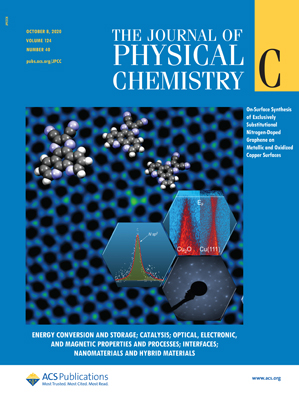
The Journal of Physical Chemistry C, 2020, 124(40), 22192-22199
Abstract, figure & full reference
Andrea Resta*, Uta Hejral, Sara Blomberg, Stefano Albertin, Alina Vlad, Yves Garreau, Corentin Chatelier, Federica Venturini, Pilar Ferrer-Escorihuela, Georg Held, Dave Grinter, Edvin Lundgren, Alessandro Coati
The ammonia oxidation reaction over a PtRh binary alloy has been studied with a surface science approach by operando techniques such as near-ambient pressure X-ray photoemission spectroscopy (NAP-XPS) and surface X-ray diffraction (SXRD) combined with mass spectrometry. The article will explore the surface evolution across five different oxygen to ammonia ratios in the millibar regime for two different temperatures. The presented data set allows us to link variations in the atomic structures measured by diffraction methods and surface species information from NAP-XPS to reaction products in the gas phase. We will show that NO production coincides with significant changes of the surface structure and the formation of a RhO2 surface oxide. It was also observed that the RhO2 surface oxide only fully forms when the nitrogen signal in the N1s has disappeared.
C. Chatelier, Y. Garreau, A. Vlad, J. Ledieu, A. Resta, V. Fournée, M.-C. de Weerd, A. Coati, É. Gaudry*
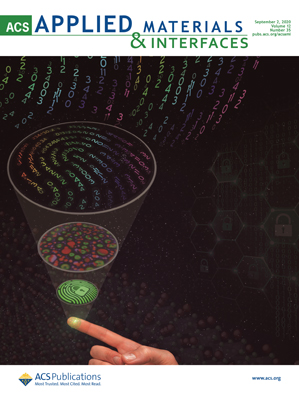
ACS Applied Materials and Interfaces, 2020, 12(35), 39787-39797
Abstract, figure & full reference
Corentin Chatelier, Yves Garreau, Alina Vlad, Julian Ledieu, Andrea Resta, Vincent Fournée, Marie-Cécile de Weerd, Alessandro Coati, Émilie Gaudry*
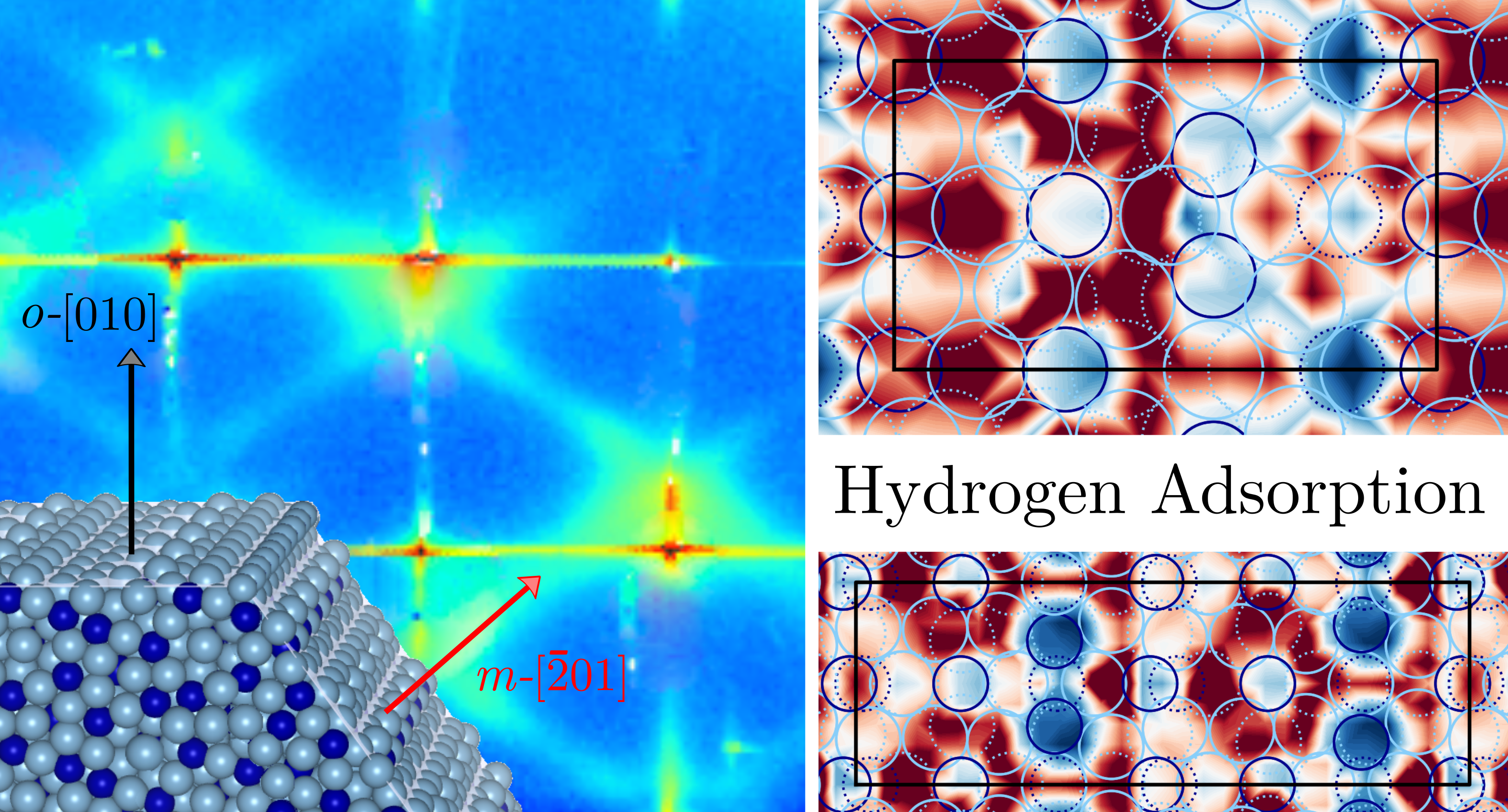
A few low-order approximants to decagonal quasicrystals have been shown to provide excellent activity and selectivity for the hydrogenation of alkenes and alkynes. It is the case for the Al13Co4 compound, for which the catalytic properties of the pseudo-2-fold orientation have been revealed to be among the best. A combination of surface science studies, including surface X-ray diffraction, and calculations based on density functional theory is used here to derive an atomistic model for the pseudo-2-fold o-Al13Co4 surface, whose faceted and columnar structure is found very similar to the one of the 2-fold surface of the d-Al-Ni-Co quasicrystal. Facets substantially stabilize the system, with energies in the range 1.19-1.31 J/m2, i.e., much smaller than the ones of the pseudo-10-fold (1.49-1.68 J/m2) and pseudo-2-fold (1.66 J/m2) surfaces. Faceting is also a main factor at the origin of the Al13Co4 catalytic performances, as illustrated by the comparison of the pseudo-10-fold, pseudo-2-fold and facet potential energy maps for hydrogen adsorption. This work gives insights toward the design of complex intermetallic catalysts through surface nanostructuration for optimized catalytic performances.
É. Gaudry*, C. Chatelier, D. Loffreda, D. Kandaskalov, A. Coati, L. Piccolo
Journal of Materials Chemistry A, 2020, 8, 7422-7431
Abstract, figure & full reference
Émilie Gaudry*, Corentin Chatelier, David Loffreda, Dmytro Kandaskalov, Alessandro Coati, Laurent Piccolo
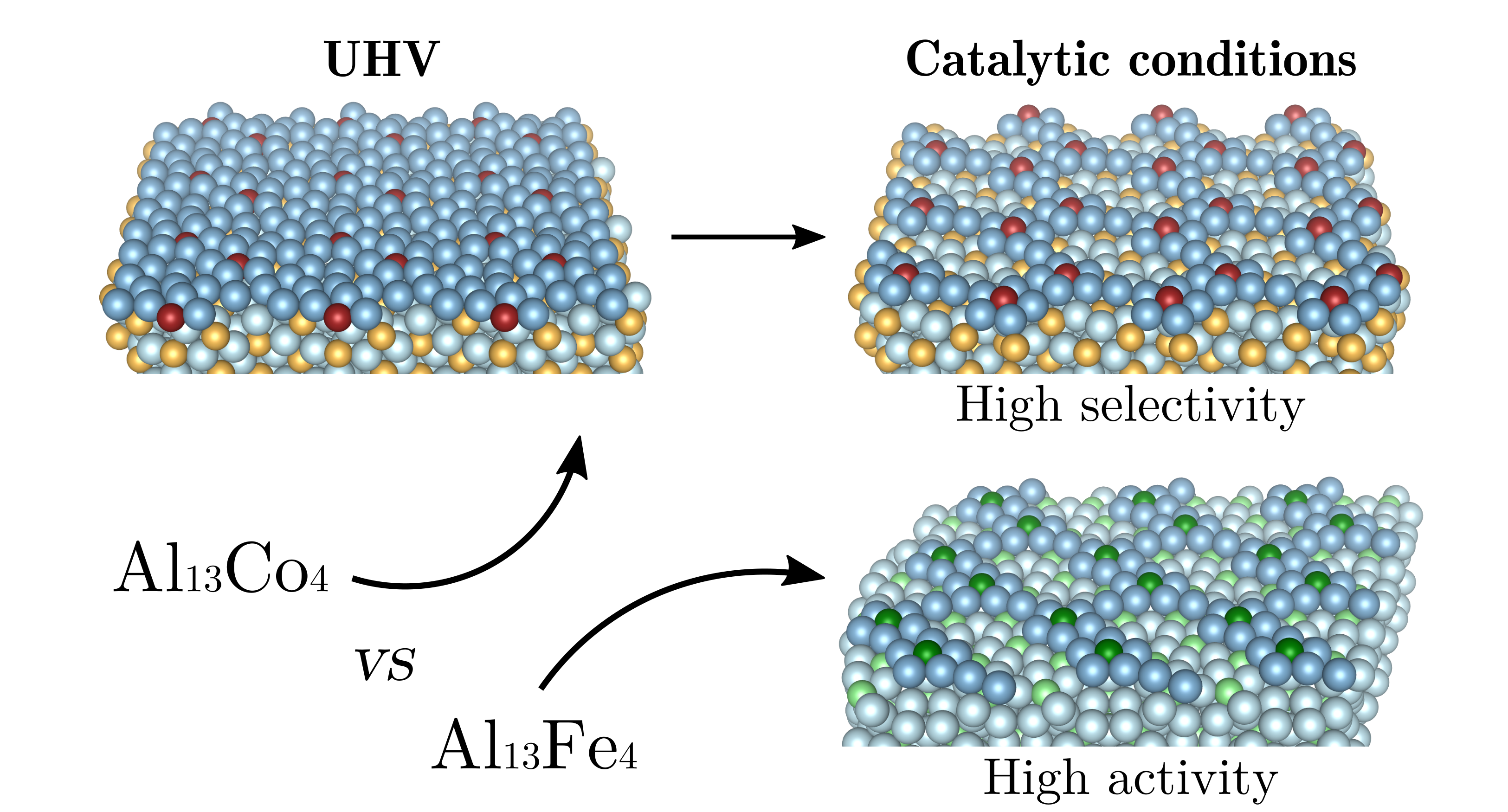
The unique electronic and crystallographic structure of intermetallics is known to result in excellent catalytic performances for selected chemical reactions. Moreover, owing to the specific bonding network of these compounds, a high structural stability of their surfaces is generally assumed, even under reaction conditions. Transition metal (TM = Fe and Co) aluminides of the Al13TM4 stoichiometry have been previously demonstrated to exhibit high activities and selectivities in partial hydrogenation of alkynes and alkadienes. Focusing on the Al13Co4(100) surface as a model catalyst for butadiene hydrogenation, the hydrogen-rich reaction conditions are predicted - based on DFT calculations and atomistic thermodynamics - to modify the relatively flat surface structure identified under ultra-high vacuum, in the form of highly cohesive clusters emerging from the bulk lattice. This work demonstrates that a realistic description of surface structures under reaction conditions is mandatory for designing new-generation catalysts based on the complex topology of intermetallic surfaces.
C. Chatelier, Y. Garreau, L. Piccolo, A. Vlad, A. Resta, J. Ledieu, V. Fournée, M.-C. de Weerd, F.-E. Picca, M. de Boissieu, R. Felici, A. Coati, É. Gaudry*
The Journal of Physical Chemistry C, 2020, 124(8), 4552-4562
Abstract, figure & full reference
Corentin Chatelier, Yves Garreau, Laurent Piccolo, Alina Vlad, Andrea Resta, Julian Ledieu, Vincent Fournée, Marie-Cécile de Weerd, Frédéric-Emmanuel Picca, Marc de Boissieu, Roberto Felici, Alessandro Coati, Émilie Gaudry*
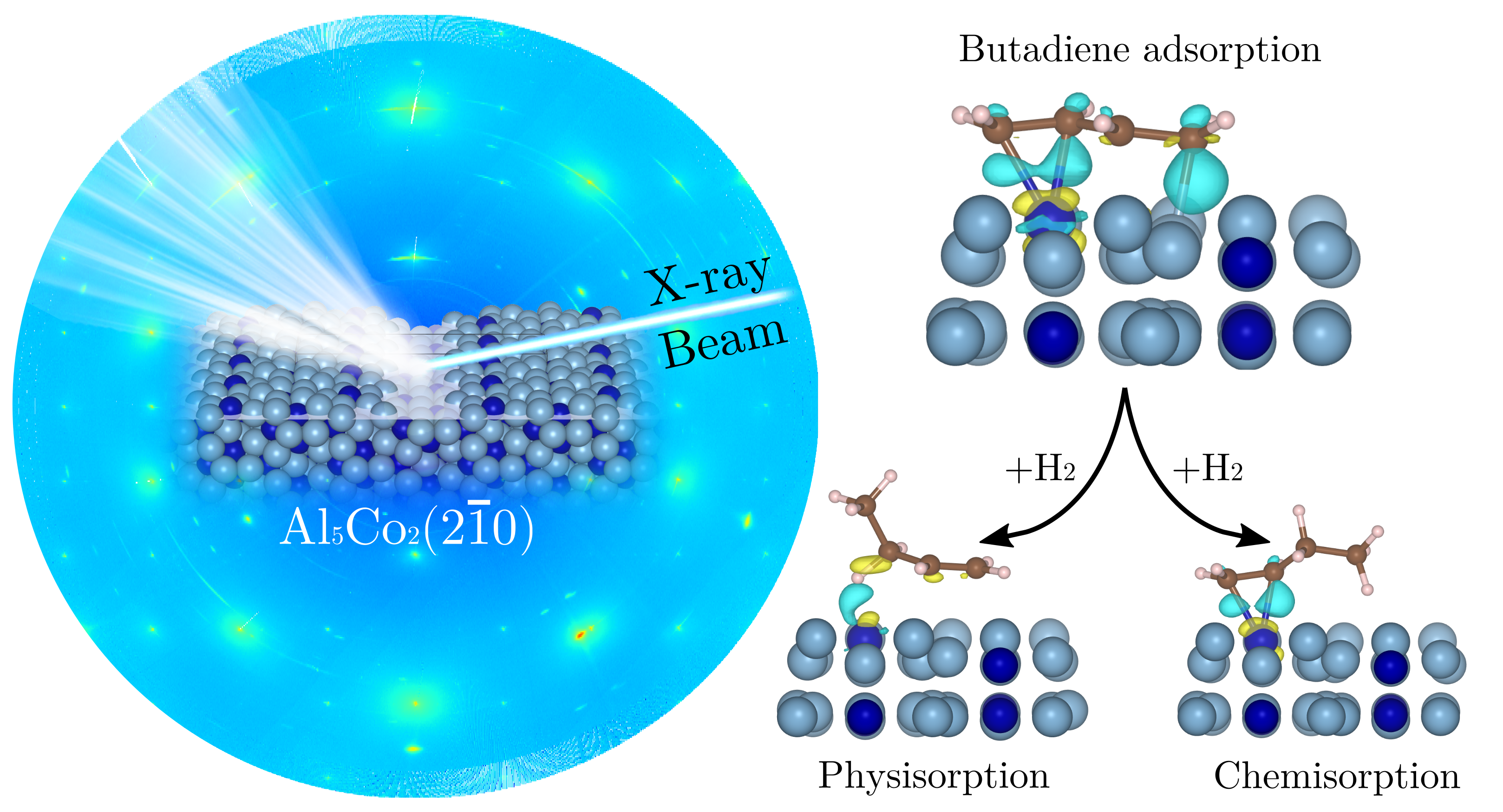
Replacing noble metal catalysts with inexpensive, environmentally harmless, active, selective, and stable substitutes is a great challenge for the chemical industry. In this paper, the noble metal-free Al5Co2(210) complex intermetallic surface is experimentally identified as active and selective for the semihydrogenation of butadiene. The catalyst surface structure and chemical composition are determined by experimental techniques—surface X-ray diffraction (SXRD) and scanning tunneling microscopy—combined with ab initio calculations. Theoretical investigations of the adsorption properties under reaction conditions demonstrate that the surface Co atomic density drastically impacts the thermodynamic feasibility of the hydrogenation reaction, and they provide information on the reaction mechanism. This work offers insights into the rational design of Al-based catalysts for hydrocarbon hydrogenation reactions.
L. Piccolo*, C. Chatelier, M.-C. de Weerd, F. Morfin, J. Ledieu, V. Fournée, P. Gille, É. Gaudry*
Science and Technology of Advanced Materials, 2019, 20(1), 557-567
Abstract, figure & full reference
Laurent Piccolo*, Corentin Chatelier, Marie-Cécile de Weerd, Franck Morfin, Julian Ledieu, Vincent Fournée, Peter Gille, Émilie Gaudry*
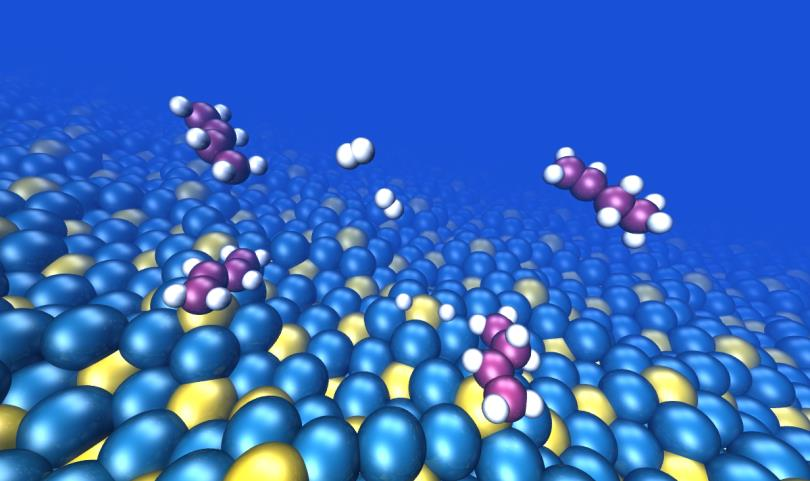
Complex intermetallic compounds such as transition metal (TM) aluminides are promising alternatives to expensive Pd-based catalysts, in particular for the semi-hydrogenation of alkynes or alkadienes. Here, we compare the gas-phase butadiene hydrogenation performances of o-Al13Co4(100), m-Al13Fe4(010) and m-Al13Ru4(010) surfaces, whose bulk terminated structural models exhibit similar cluster-like arrangements. Moreover, the effect of the surface orientation is assessed through a comparison between o-Al13Co4(100) and o-Al13Co4(010). DFT calculations show that the activity and selectivity results can be rationalized through the determination of butadiene and butene adsorption energies; in contrast, hydrogen adsorption energies do not scale with the catalytic activities. Moreover, the calculation of projected densities of states provides an insight into the Al13TM4 surface electronic structure. Isolating the TM active centers within the Al matrix induces a narrowing of the TM d-band, which leads to the high catalytic performances of Al13TM4 compounds.
P. Scheid, C. Chatelier, J. Ledieu, V. Fournée, É. Gaudry*
Acta Crystallographica Section A: Foundations and Advances, 2019, 75(2), 314-324
Abstract, figure & full reference
Philippe Scheid*, Corentin Chatelier, Julian Ledieu, Vincent Fournée, Émilie Gaudry
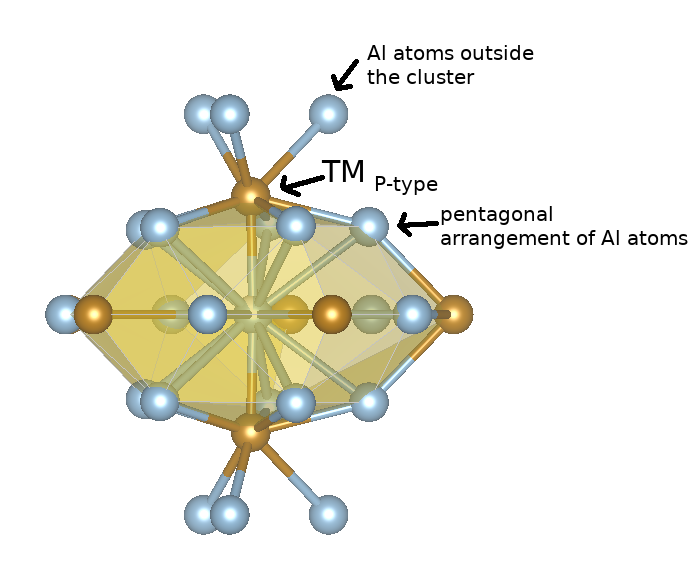
Clusters, i.e. polyhedral geometric entities, are widely used to describe the structure of complex intermetallic compounds. However, little is generally known about their physical significance. The atomic and electronic structures of the Al13TM4 complex intermetallic compounds (TM = Fe, Co, Ru, Rh) have been investigated using a wide range of ab initio tools in order to examine the influence of the chemical composition on the pertinence of the bulk structure description based on 3D clusters. In addition, since surface studies were found to be a relevant approach to address the question of cluster stability in complex phases, the interplay of the cluster substructure with the 2D surface is addressed in the case of the Al13Co4(100) and Al13Fe4(010) surfaces.
C. Chatelier, J. B. Wiskel*, D. G. Ivey, H. Henein*
Crystals, 2018, 8(7), 287
Abstract, figure & full reference
Corentin Chatelier, J. Barry Wiskel*, Douglas G. Ivey, Hani Henein*
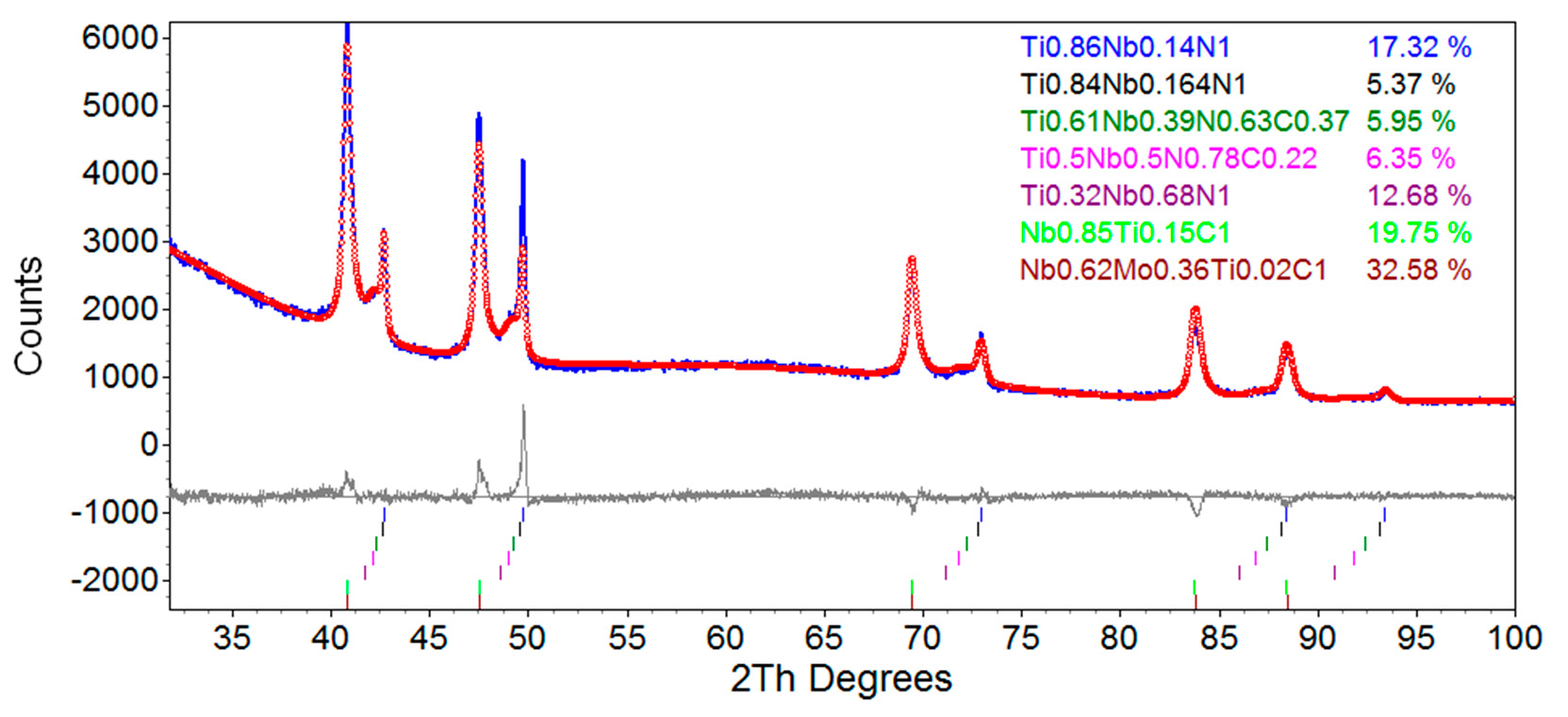
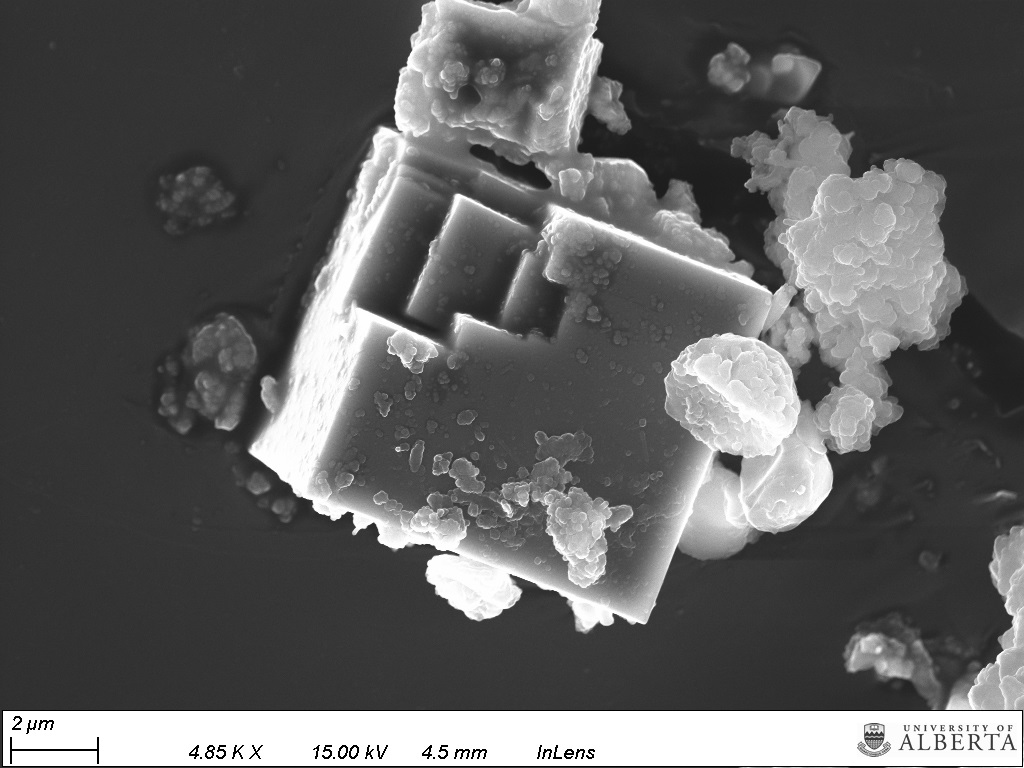
Precipitates in thin-walled (11 mm) and thick-walled X70 (17 mm) microalloyed X70 pipe steel are characterized using Rietveld refinement (a.k.a. quantitative X-ray diffraction (QXRD)), inductively coupled plasma mass spectrometry (ICP), and energy-dispersive X-ray spectroscopy (EDX) analyses. Rietveld refinement is done to quantify the relative abundance, compositions, and size distribution of the precipitates. EDX and ICP analyses are undertaken to confirm Rietveld refinement analysis. The volume fraction of large precipitates (1 to 4 μm—mainly TiN rich precipitates) is determined to be twice as high in the thick-walled X70 steel (0.07%). Nano-sized precipitates (< 20 nm) in the thin-walled steel exhibit a higher volume fraction (0.113%) than in the thick-walled steel (0.064%). The compositions of the nano-sized precipitates are similar for both steels.
É. Gaudry*, C. Chatelier, G. M. McGuirk, L. N. Serkovic-Loli, M.-C. de Weerd, J. Ledieu, V. Fournée, R. Felici, J. Drnec, G. Beutier, M. de Boissieu
Physical Review B, 2016, 94(16), 165406
Abstract, figure & full reference
Émilie Gaudry*, Corentin Chatelier, Gary M. McGuirk, Laura N. Serkovic-Loli, Marie-Cécile de Weerd, Julian Ledieu, Vincent Fournée, Roberto Felici, Jakub Drnec, Guillaume Beutier, Marc de Boissieu
The structure of the quasicrystalline approximant Al13Co4 (100) has been determined by surface x-ray diffraction (SXRD) and complementary density-functional-theory (DFT) calculations. Thanks to the use of a two-dimensional pixel detector, which speeds up the data acquisition enormously, an exceptionally large set of experimental data, consisting of 124 crystal truncation rods, has been collected and used to refine this complex structure of large unit cell and low symmetry. Various models were considered for the SXRD analysis. The best fit is consistent with a surface termination at the puckered type of planes but with a depletion of the protruding Co atoms. The surface energy of the determined surface model was calculated using DFT, and it takes a rather low value of 1.09 J/m2. The results for the atomic relaxation of surface planes found by SXRD or DFT were in excellent agreement. This work opens up additional perspectives for the comprehension of related quasicrystalline surfaces.
Atoms to catalysis: a subtle mix of X-rays and quantum chemistry
Invited at IRCELYON (Lyon, France) to give a seminar to the CATREN research team.
Corentin Chatelier
Read abstract
Remplacer les catalyseurs à base de métaux nobles (Pd, Pt, Au) par des substituts peu coûteux, stables, sélectifs et actifs est un grand défi pour l'industrie chimique. De nouveaux catalyseurs à base d'aluminium et approximant de quasicristaux se sont révélés prometteurs. La combinaison de la diffraction de surface des rayons X et de calculs de chimie quantique a permis d'établir des modèles de surface détaillés, leurs propriétés d'adsorption et de mieux comprendre les facteurs clés à l'origine des propriétés catalytiques prometteuses de ces matériaux.
Ni-rich nanoparticles in the light of Bragg CDI: CO2 adsorption and core-shell volume transition
TMS2023, The Minerals, Materials and Metals Society Annual Meeting, San Diego, California, USA.
Corentin Chatelier, Clément Atlan, Maxime Dupraz, David Simonne, Stéphane Labat, Tobias Schulli, Steven Leake, Joël Eymery, and Marie-Ingrid Richard
Read abstract
Every year, human activities release billions of CO2 into the atmosphere, causing global climate change due its greenhouse effect. An approach to prevent this issue is the chemical recycling of CO2 through its hydrogenation into value-added products. Ni-based catalysts are the most widely used due to their low-cost and high selectivity. As the thermodynamic feasibility of the conversion of CO2 to methane and methanol is highly depending on the partial pressure of the reactants, it is of interest to evaluate the effect of the reaction conditions on the strain evolution. In this regard, the surface strain of a single 300 nm Ni nanocrystal is probed using in situ Bragg Coherent X-ray Imaging under different partial pressures of CO2 (50 to 250 mbar) at the fourth generation Extremely Brilliant Source of ESRF. This reveals important and reversible strain signatures. This allows to gather new insights into possible adsorption and reaction mechanisms.
Atoms to catalysis: a subtle mix of X-rays and quantum chemistry
Invited at Synchrotron SOLEIL (Saclay, France) to give a seminar to the SOLEIL research community.
Corentin Chatelier
Read abstract
Remplacer les catalyseurs à base de métaux nobles (Pd, Pt, Au) par des substituts peu coûteux, stables, sélectifs et actifs est un grand défi pour l'industrie chimique. De nouveaux catalyseurs à base d'aluminium et approximant de quasicristaux se sont révélés prometteurs. La combinaison de la diffraction de surface des rayons X et de calculs de chimie quantique a permis d'établir des modèles de surface détaillés, leurs propriétés d'adsorption et de mieux comprendre les facteurs clés à l'origine des propriétés catalytiques prometteuses de ces matériaux.
Catalytic properties of Al13TM4 complex intermetallics: influence of the transition metal and the surface orientation on butadiene hydrogenation
IMCAT 2019, International Symposium on Intermetallic Compounds in Catalysis, Chemnitz, Germany.
Corentin Chatelier, Laurent Piccolo, Marie-Cécile de Weerd, Franck Morfin, Julian Ledieu, Vincent Fournée, Peter Gille, and Émilie Gaudry
Read abstract
Complex intermetallic compounds such as transition metal (TM) aluminides are promising alternatives to expensive Pd-based catalysts, in particular for the semi-hydrogenation of alkynes or alkadienes. The gas-phase butadiene hydrogenation performances of several quasicrystalline approximant surfaces, namely o-Al13Co4(100), m-Al13Fe4(010) and m-Al13Ru4(010), were investigated. In addition, two low-index surfaces [(100) and (010)] of o-Al13Co4 were compared to determine effect of the surface orientation on the catalytic performances. The following room-temperature activity order is: Al13Co4(100) << Al13Co4(010) < Al13Ru4(010) < Al13Fe4(010). Al13Co4(010) is the most active surface at 110 °C, and even more selective to butene (100%) than Al13Fe4(010). These experimental observations are further discussed in light of DFT calculations. The butadiene and butene adsorption energies are shown to be useful to rationalize the catalytic measurements. Moreover, electronic structure calculations suggest that isolating the TM active centers within the Al matrix induces a narrowing of the TM d-band, which leads to the high catalytic performances of Al13TM4 compounds.
December 2018
Al-based intermetallics as catalysts for hydrogenation: the case study of Al5Co2(2 -1 0)
ECMetAC Days 2018, International Symposium on the Development of New Metallic Alloys and Compounds, Poznan, Poland.
Corentin Chatelier, Yves Garreau, Vincent Fournée, Julian Ledieu, Marie-Cécile de Weerd, Alina Vlad, Andrea Resta, Laurent Piccolo, Marc de Boissieu, Roberto Felici, Alessandro Coati, and Émilie Gaudry
Read abstract
Replacing noble metal catalysts with inexpensive substitutes is a big challenge for the chemical industry. Several complex Al-based intermetallic compounds have already been identified as promising catalysts for hydrogenation reactions. The understanding of the underlying processes requires a precise determination of the surface structure, as well as the thermodynamic quantities related to the adsorption of molecules involved in the reaction and the energy barriers of the elemental processes. In this work, a precise surface model for Al5Co2 is proposed from a combination of calculations based on the Density Functional Theory and surface science techniques, including Surface X-Ray Diffraction experiments (SixS Beamline, Synchrotron SOLEIL). A thermodymamic model is built, powered by theoretical adsorption energies, in order to take into account the reaction conditions pressure and temperature for the hydrogenation of butadiene. The calculated favorable reaction conditions are then compared to the experimental conditions. This work illustrates the complementarity of experimental and theoretical approaches for the understanding of the reactivity of complex intermetallic surfaces. It also paves the way to investigations of more complex systems, like the quasicrystalline approximants Al13TM4.